Dock vs. Pier: What’s Best for Your Pensacola Waterfront Property?
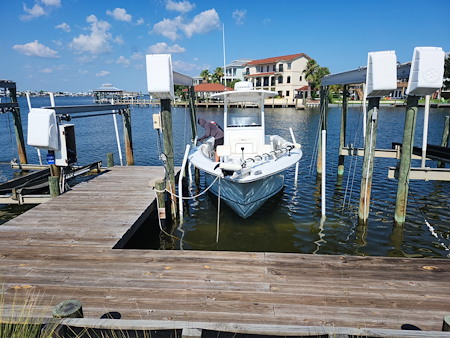
If you’re weighing a dock vs pier for your Pensacola waterfront, start with your shoreline, wind exposure, and how you use the water. This guide breaks it down in plain English and shows where a smart choice can save headaches when storms roll through the Gulf. If you want expert eyes on your site, our dock installation in Pensacola team is ready to help.
Clear Definitions: What Is a Dock vs a Pier?
Most people use the words like they mean the same thing, but they serve different roles.
- A dock is a platform for mooring and access. It often sits parallel or at an angle to shore and can be fixed or floating.
- A pier usually extends straight out over deeper water for fishing, sightseeing, or as a walkway to boats on the outside edge.
Here along Pensacola Bay, Santa Rosa Sound, and the ICW near Perdido Key, both structures work. The better fit depends on depth, daily chop, and your vessel’s draft.
How Pensacola Conditions Shape Your Choice
Pensacola’s mornings can be calm, then sea breezes kick up afternoon chop on the Bay. In sheltered canals and coves around Gulf Breeze or Bayou Texar, water is steadier. That matters.
- Sheltered canals: Floating docks shine for easy boarding as water levels change.
- Open bayfronts: Fixed piers with robust pilings handle wind, waves, and boat wakes better.
Also consider bottom type. Sandy or firm bottoms accept driven pilings more easily. Soft mud needs careful engineering so your structure doesn’t settle or wobble.
Floating Dock vs Fixed Pier: Pros and Cons
Use this quick comparison to match your site and lifestyle.
- Floating docks: Rise and fall with the tide for level boarding. Great in protected water. They are not ideal in strong fetch or constant wake zones.
- Fixed piers: Solid underfoot and stable in chop. Better choice for the Bay or near busy channels. Elevation is constant, so step heights change with tide.
Rule of thumb: If your shoreline sees daily wind-driven chop, a well-engineered fixed pier usually wins. If you’re tucked away, a floating dock makes life simple.
Materials That Last On The Gulf Coast
Salt, sun, and heat are tough on structures. Choosing the right materials is half the battle.
Consider these proven combos for Pensacola waterfronts:
- Composite or flow-through decking with stainless fasteners to fight corrosion and reduce uplift in storm surge.
- Marine-treated lumber or composite stringers on galvanized or stainless hardware for long-term strength.
- Aluminum framing in low-maintenance builds, especially on floating systems in calm canals.
Hardware is small but mighty. Stainless fasteners and brackets resist rust-streaks and keep structures tight over time.
Design Details That Improve Everyday Use
The difference between “good” and “great” is in the details you use every weekend.
Think through real-life moments like loading coolers at Palafox-area slips or stepping down to a kayak in Bayou Chico:
- Deck height: Plan comfortable step-in heights at high and low tide.
- Walkway width: Give room for passing and gear. Narrow paths feel unsafe.
- Lighting: Downcast, corrosion-resistant fixtures for safe night returns.
- Cleats and bumpers: Place them where you actually tie off. Walk the route in your head.
Storm-Ready Thinking For Pensacola Bayfronts
Late summer and fall can bring tropical systems. You can’t stop the wind, but smart choices help structures ride out rough water.
On open shorelines, taller pilings, stronger connections, and deck surfaces that let water pass through can reduce stress on the structure. In protected canals, secure tie-off points and clear water access for haul-outs make prep quicker when a storm is forecast.
Which Fits Common Pensacola Settings?
Every site is unique, but these patterns hold up around our area:
- Bayfront with steady chop: A fixed pier with robust pilings and flow-through decking for resilience.
- Calm canal near Gulf Breeze or Perdido Key: A floating dock for easy boarding and kayaks or small center consoles.
- Fishing-first families: A pier with a T or L head for more elbow room and gear.
- Multi-craft homes: Combine a short fixed walkway to a floating platform for the best of both worlds.
Safety And Access Everyone Appreciates
Good design serves kids, grandparents, and guests. Railings where they’re needed, clear edges, slip-resistant decking, and even small seating spots near the tie-off make days on the water smoother. For high-traffic areas, see these practical boardwalk safety tips and borrow the ideas that fit your property.
How We Help You Decide, Step By Step
Choosing between a dock or a pier is easier with a structured plan. Orange Beach Pile Protection starts with a shoreline review, looks at boat types and typical loading, and checks wind exposure. Then we talk materials, hardware, and the features that simplify your weekends. When a dock is the best fit, our dock installation team builds for everyday use and long-term durability.
Budget And Timeline Considerations
Exact timelines vary by size, materials, and season. The best way to stay on track is to finalize your design early and make choices that fit your shoreline. Composite deck boards, stainless hardware, and clear lighting plans often save time on the back end because they reduce change orders and maintenance needs.
Common Mistakes To Avoid
A few missteps can make a waterfront build frustrating. Keep these in mind:
- Don’t size too small. Crowded walkways and short finger spaces are awkward with coolers and kids in tow.
- Don’t ignore chop and wakes. What looks calm at 8 a.m. can be a different story by late afternoon on the Bay.
- Don’t skimp on hardware. In salt air, weak fasteners are the first point of failure.
- Don’t forget lighting and power planning. Safe, shielded fixtures matter after sunset.
Where Internal Links Fit Into Your Planning
If you want to explore categories beyond docks and piers, browse our broader marine construction services for shoreline protection, lifts, and more. And if you’re just beginning research, start at our home base with this primer on dock vs pier in Pensacola, FL so you can compare options in one place.
Your Next Best Step
Whether you picture a quiet floating platform in a sheltered canal or a sturdy pier facing Pensacola Bay, the right plan makes all the difference. We’ll help you map out materials, layout, and everyday use so your structure fits your property and lifestyle.
Talk with a local specialist at Orange Beach Pile Protection today at 850-532-5755. If a dock is the clear winner for your site, our crew can guide you from first walkthrough to final walkthrough with quality-focused dock installation that’s built for our coast.