Hidden Signs Your Waterfront Dock Is About to Collapse | Dock Construction in Pensacola, FL
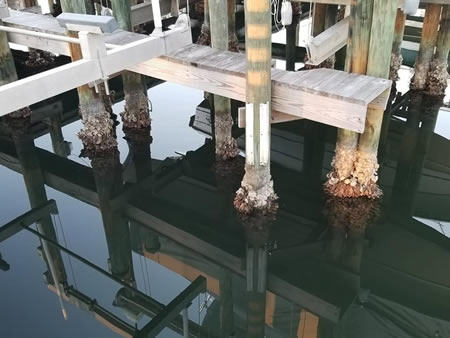
Salt, sun, and constant wave action work your dock every single day. Along Pensacola Bay, Big Lagoon, and Santa Rosa Sound, that stress adds up fast. If you are noticing small changes, your structure may be warning you about bigger problems ahead. This guide explains the subtle red flags that point to structural failure and when to call a professional for custom dock installation or replacement from Orange Beach Pile Protection.
Our coastal climate is tough. Afternoon squalls, king tides, and boat wake test every board and bolt. Catching damage early protects your family, your boat, and your peace of mind.
Why Docks Fail So Often in Pensacola
Pensacola’s waterfronts mix brackish water, shifting sands, and strong wind exposure. Salt spray accelerates corrosion on hardware. Tidal flow scours soil around pilings. UV breaks down boards and coatings. Over time, these forces weaken connections until the structure can no longer carry its intended load.
Quiet Visual Clues Most Owners Miss
Some warnings are easy to overlook because they develop slowly. Walk your dock at mid‑tide on a calm day and look for these changes.
- Slightly leaning or twisted pilings, even by an inch or two, especially after heavy rain or a storm.
- Deck boards that look “wavy,” with cupping or edges that have lifted just enough to catch a shoe.
- Rust streaks radiating from washers or bolt heads, or tea‑colored stains under brackets.
- Hairline splits in stringers or beams near hangers and through‑bolts.
- Missing, bent, or sheared fasteners where cleats, ladders, or guardrails attach.
- Wet, spongy, or darkened spots on boards that indicate hidden rot instead of surface mildew.
Movement You Can Feel Underfoot
Stand near the center of each span and shift your weight. A healthy dock feels firm. Watch for these signs of structural fatigue:
- A springy or trampoline‑like bounce when one person walks the deck.
- Side‑to‑side racking when a boat wake rolls through.
- Handrails that wobble even though their fasteners appear tight.
If you feel progressive movement over a few weeks, the connections beneath you are likely loosening. That tends to accelerate during summer storms.
Red Flags Around the Waterline
Most of the serious damage starts where wood and water meet. Inspect at low tide if it is safe:
Chisel marks from marine borers around timber pilings, soft spots in the splash zone, and cracked wraps all point to loss of section strength. On concrete, look for small rust blooms or spalls where rebar might be corroding. On composite or encased piles, watch for gaps, torn seams, or scouring at the base that exposes more of the pile than last season.
Fasteners Tell the Truth
Hardware failure often comes before a dramatic collapse. Look closely at washers and brackets. Orange staining that bleeds onto the wood means active corrosion. Powdery white residue around aluminum parts signals galvanic activity. Loose through‑bolts that will not hold torque are another tipoff that wood fibers around the hole are crushed or rotted.
Load Paths That Are No Longer Straight
Every dock relies on straight, continuous paths that carry weight from the deck to the ground. When connections lose alignment, the structure starts to fight itself. Signs include:
Joists that no longer sit flat in hangers. Beam ends that show widening gaps at posts. Stringers that have small “steps” at splices. These may look cosmetic, but they are structural warnings. Each misalignment concentrates stress during a storm and can cause sudden failure.
After Storms: What Changes Matter Most
Pensacola’s hurricane season runs through late fall, and even tropical remnants can push surge and long‑period swells into our bays. After any named storm, look for fresh tilt in pilings, new sinkholes where the deck meets land, fasteners that grew streaks of rust overnight, or cleats that pulled up at one corner. A single weekend of heavy boat traffic on Santa Rosa Sound can make small issues much worse.
Local insight: After a strong south wind event or tropical system, inspect at low tide within 48 hours. Minor scouring around pilings shows up quickly in Big Lagoon and Bayou Texar. Early documentation helps a professional determine whether your dock can be stabilized or needs full replacement.
Safety Risks You Should Not Ignore
Collapsing docks do not always fail all at once. They may drop a corner, twist under a person’s weight, or give way at a cleat when lines load up. Any of the following calls for a professional inspection right away:
Board edges catching feet in several places, cleats that “pop” under light pull, or a section that shudders when a small wake hits. These are direct risks to people climbing in and out of boats and to your boat’s hull.
How Pensacola Conditions Speed Up Damage
Salt‑rich air corrodes hardware faster along open stretches of Escambia Bay and the Intracoastal. In canals and bayous, slower water can trap debris against piles, holding moisture and encouraging rot. Summer heat expands boards, then cooler nights contract them. That cycle loosens fasteners. Add wake from weekend traffic, and even a well‑built dock will show early wear if the details were not designed for our waters.
When It Is Time To Consider Replacement
Some docks have isolated issues that can be stabilized. Others reach a tipping point where ongoing patchwork is no longer safe or practical. If you see widespread rot, multiple leaning pilings, chronic hardware failure, or structural members that keep re‑cracking, it often means the framework no longer has enough capacity. In those cases, a planned replacement with the right materials and details is the safer long‑term move.
To understand your best next step, explore our overview of docks & piers and learn how today’s materials and connections hold up better in Gulf Coast conditions.
Materials And Details That Buy You Time
Strong docks start with the right mix of piles, hardware, and decking. Ask your builder about corrosion‑resistant fasteners sized for marine loads, pile protection in the splash zone, and decking that sheds water. Thoughtful bracing and uplift connections help the frame resist racking and board peel‑up during squalls. For a deeper look at how quality planning and craftsmanship extend service life, review our article on why professional dock construction matters for long‑term performance.
What To Do If You Notice These Signs
Do not ignore new movement, fresh rust streaks, or changing deck lines. Take clear photos, note the date, and avoid loading that section until a professional inspects it. A qualified marine construction team can evaluate piles, connections, and load paths, then recommend repair or replacement that fits your shoreline and usage.
If you are starting from scratch, you can learn more about dock construction in Pensacola, FL and see how Orange Beach Pile Protection designs for local tides, wind, and wake.
Protect Your Family And Waterfront Investment
When a dock collapses, it usually follows months of small warnings. If any of the signs above look familiar on your property in Gulf Breeze, Perdido Key, or along Bayou Chico, schedule a professional inspection. The right plan now avoids emergencies later and helps you enjoy easy, safe access to the water.
For dependable results on the Gulf Coast, talk with the local team that builds for our climate. Explore professional dock construction options with Orange Beach Pile Protection, then call 850-532-5755 to book your assessment today.