Top Questions to Ask Before Hiring a Marine Contractor in Pensacola
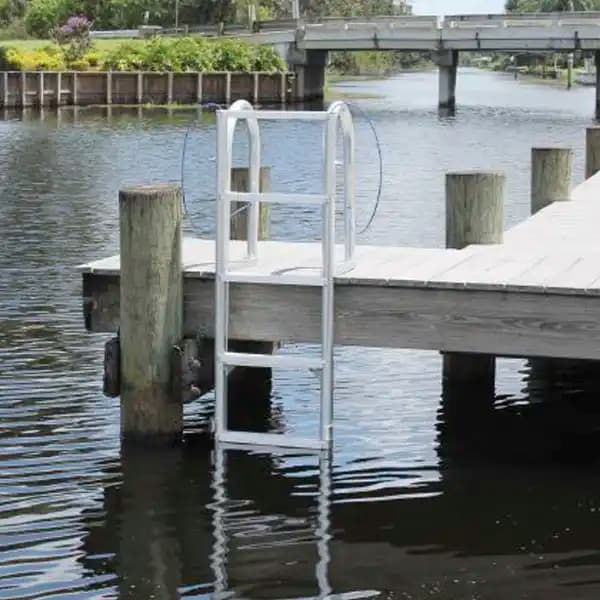
Choosing the right marine contractor in Pensacola can make the difference between a sturdy waterfront structure and a headache after the first big storm. This guide gives you plain‑English questions to ask so you can hire with confidence and protect your shoreline investment.
As you compare any marine contractor in Pensacola, look for a team that listens first, plans carefully, and builds for our coastal conditions. The questions below will help you spot true pros, avoid common missteps, and feel great about the crew working on your dock, seawall, boat lift, or boathouse.
Start With Experience That Matches Pensacola’s Waterfront
Water in Big Lagoon is not the same as the chop on Pensacola Bay. Ask how many projects like yours the company has completed in similar settings such as Gulf Breeze, Perdido Key, or Bayou Texar. Push for specifics about tidal range, wind fetch, boat traffic, and soil conditions they considered on past builds.
- How long have you built in Escambia and Santa Rosa counties?
- What local sites have conditions most like my property?
- What went well and what would you do differently next time?
If their answers feel thin, dig deeper. A seasoned Gulf Coast builder should explain how local tides, currents, and corrosion shape every design choice. When you want a broader look at options and materials, browse our overview of marine construction in Pensacola to see the range of structures and components used on the coast.
Design Details That Stand Up to Wind, Waves, and Salt
Good design is more than a pretty sketch. It’s load paths, fastener choices, and how water moves through and around your structure. Ask to see the design assumptions: pile diameter and embedment, decking type, hardware specifications, and how they handle drainage and uplift during storms.
For docks, request clear notes on framing layout, fendering, and mooring. When you’re considering a dock rebuild or new installation, it helps to review proven layouts and materials like composite decking and stainless hardware used on local docks and piers. Small choices here deliver big durability when the next squall rolls through.
Materials That Beat Corrosion
Salt air works like sandpaper and sugar combined. It grinds and eats away. Ask which grades of stainless steel will be used, what lumber treatment level, and whether composite or grate-style decking is recommended for your shore. Clarify how connections are protected from galvanic reactions.
For railings and walkways that may tie into your dock or boathouse, see how material choices affect slip resistance and lifespan in high-traffic areas. This piece on safe coastal walkways explains why drainage and hardware matter year-round in our climate: boardwalk safety tips for high-traffic coastal properties.
Permits, Inspections, and Project Coordination
Marine projects often require permits and inspections from local or state agencies. Ask who handles the paperwork, how submittals are sequenced, and when inspections take place within the timeline. You don’t need legal jargon. You need a clear plan so your build stays on track.
If your property touches sensitive shoreline, ask how the contractor minimizes disturbance during mobilization and staging. Responsible teams plan access routes, barge usage, and debris handling before the first piling goes in.
Installation Practices That Add Years of Life
The best materials still fail with poor installation. Confirm how pilings will be driven and to what refusal criteria, how ledger connections are protected from water, and how expansion gaps are set for your decking. Ask about torque values, anti-seize on stainless hardware, and methods to prevent over‑driving that can split timber.
For boat lifts, ask how the lift is sized for your vessel’s weight and hull type, and how motors are protected from spray and salt. A thoughtful setup saves wear on the lift and on your boat.
Storm Readiness and Recovery Planning
We live with summer squalls and fall systems. Request a pre‑storm checklist for securing power, lines, and accessories, and a post‑storm inspection plan. Ask how fast the team can assess your structure after a major event and what temporary measures they use to stabilize damage if needed.
Warranties and What They Actually Cover
A warranty is only as good as what’s written. Clarify what’s covered for labor and materials, what voids coverage, and how warranty claims are handled. Many manufacturers offer specific hardware or decking warranties, but you also want the contractor’s workmanship warranty in writing.
Ask for examples of past warranty claims and how they were resolved. A straight answer here speaks volumes about service culture.
Crew, Schedule, and Communication
Who is on your crew each day? Who supervises? How often will you get updates? Request a target schedule with milestones for mobilization, piling, framing, decking, and final walkthrough. A clear sequence helps you plan around tides, deliveries, and neighborhood access.
- Who will be my single point of contact?
- How often will I get photos or progress notes?
- What happens if weather or tides delay a step?
Safety Standards On and Off the Water
Ask about fall protection, life jackets on barges, equipment inspections, and site housekeeping. Confirm that electrical work around water follows recognized safety practices. Safe sites are efficient sites, and clean staging prevents damage to lawns, seawalls, and neighboring properties.
You can also ask how the team keeps your neighbors informed about barge access or temporary closures. This smooths projects in tighter areas like East Hill or along narrow canals.
Budget, Allowances, and Change Orders Without Sticker Shock
No reputable company will quote a one‑size‑fits‑all price for marine work. Instead, request a clear scope, a list of allowances, and a written process for approving changes. Make sure upgrades like lighting or added mooring hardware are documented before installation.
Always verify licensing and insurance with current certificates named to your property. Get a written timeline with milestones. Ask about a corrosion and maintenance plan suited to your exact site. And never pay 100% upfront; staged payments tied to progress keep everyone aligned.
How This Plays Out on Real Pensacola Projects
Picture a family pier on Bayou Grande. The designer accounts for wake from weekend boat traffic, chooses composite decking to resist UV and salt, and specifies hot‑dipped galvanized hardware. Pilings are driven to a depth that resists scouring during strong outflow after storms. The result is a dock that still feels tight when a north wind stacks water against the shore.
Now consider a boathouse along Perdido Bay. The plan balances shade and clearance for your tower, sizes the lift for the boat’s true wet weight, and sets the controls where spray won’t soak them. Those small decisions add years to your gear and less hassle on launch days.
When To Bring In a Pro
Call a contractor early if you notice leaning pilings, spongy decking, or lift motors straining. An inspection now can prevent structural damage later. If you’re weighing a new build versus repair, a side‑by‑side plan that compares service life and maintenance for each option will help you decide what’s best for your shoreline and how you use it.
If you want ideas and examples to spark a plan, browse our Pensacola‑focused overview of marine construction services for docks, seawalls, lifts, and more, or review local layouts and materials on our docks and piers page.
Red Flags That Signal “Keep Looking”
Trust your gut, and watch for these warning signs before you sign a contract:
- Vague designs without pile specs, hardware grades, or decking types
- No references for similar waterfront conditions nearby
- Pressure to pay large sums before any mobilization or permits
- Unclear warranty language and no written maintenance plan
Pros will welcome your questions, explain tradeoffs, and show work that looks like what you need built in Pensacola, FL.
Your Next Step
Ready to vet a contractor the smart way? Use these questions during your site visit, ask for a written scope and schedule, and make sure the design fits your shoreline and how you use the water. If you want a builder who plans for tides, wind, and long‑term corrosion from day one, reach out to Orange Beach Pile Protection at 850-532-5755. You can also explore our services anytime to see how we build for the Gulf Coast.
When you are ready to move forward, start by reviewing local examples and options on our Pensacola page for marine construction. Then call 850-532-5755 to schedule a site walk and a clear, no‑pressure plan that fits your property.